

Bridges of Light
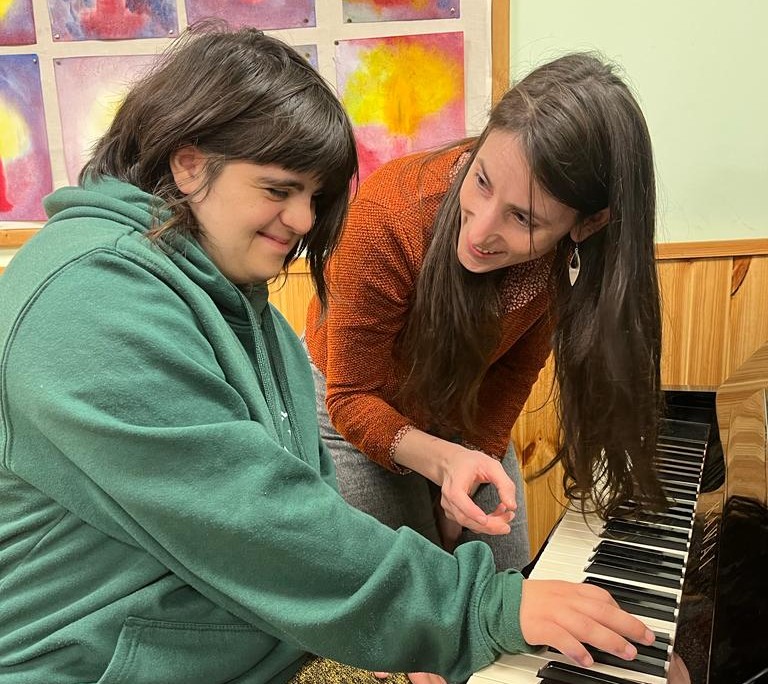
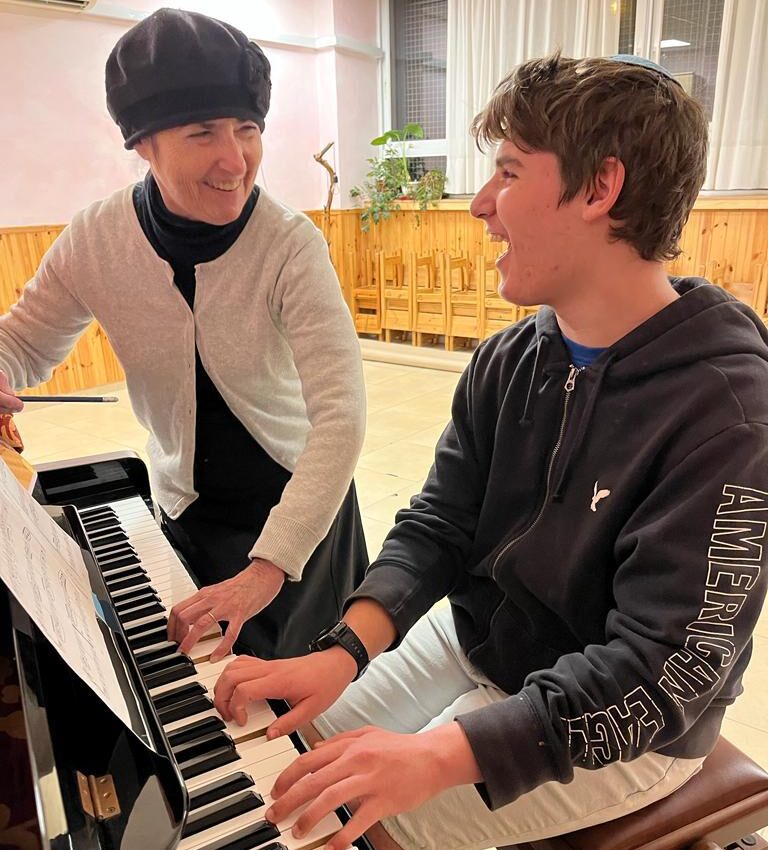
Established in 2002, the Bridges of Light program at Hassadna provides adapted music education to children with disabilities, including Down syndrome, cerebral palsy, blindness, autism, and mental disabilities. Each child receives individualized weekly piano lessons, tailored to their special abilities. Promoting full integration, the program involves these students in activities with the general student body. Through personalized instruction and participation in chamber music groups, concerts, and other enrichment activities, students benefit from direct interaction and cooperation, fostering mutual respect and connection.
Where music and hearts unite
Music serves as a powerful means of communication, expression, and joy for these children, who face daily physical and mental challenges. The program enables special needs children to engage in the conservatory community, creating bonds with peers through their shared love of music. This collaborative music-making enhances their social and musical skills, allowing them to form meaningful connections and experience true happiness.
About the Program

Weekly Lessons
Students are enrolled in individualized piano lessons both as a therapeutic intervention and as a means of developing their musical talents.
Chamber Music
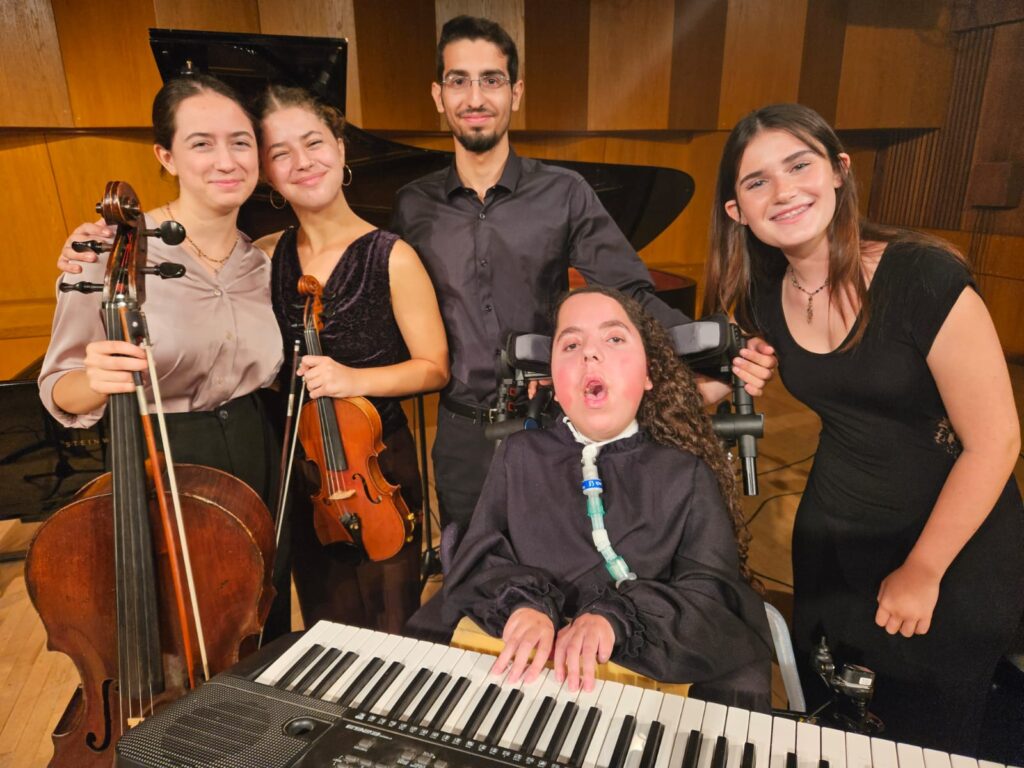
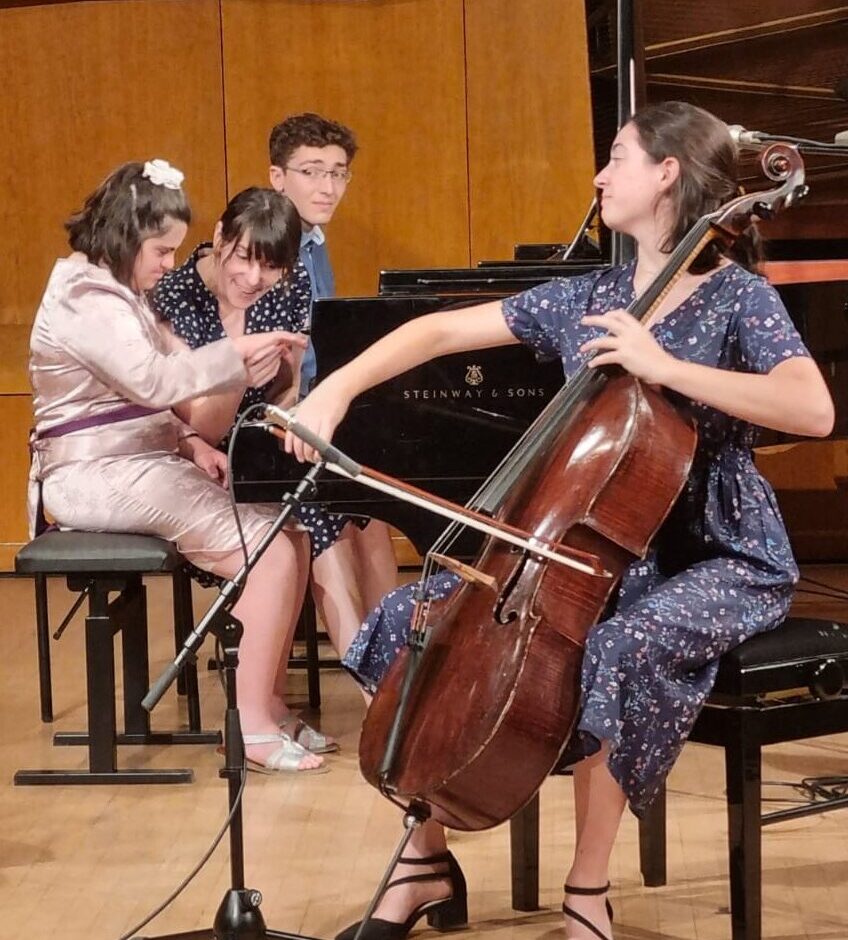
Through unique ensembles with original arrangements prepared for the special abilities of each student, chamber music experiences integrate the program participants into the conservatory community.
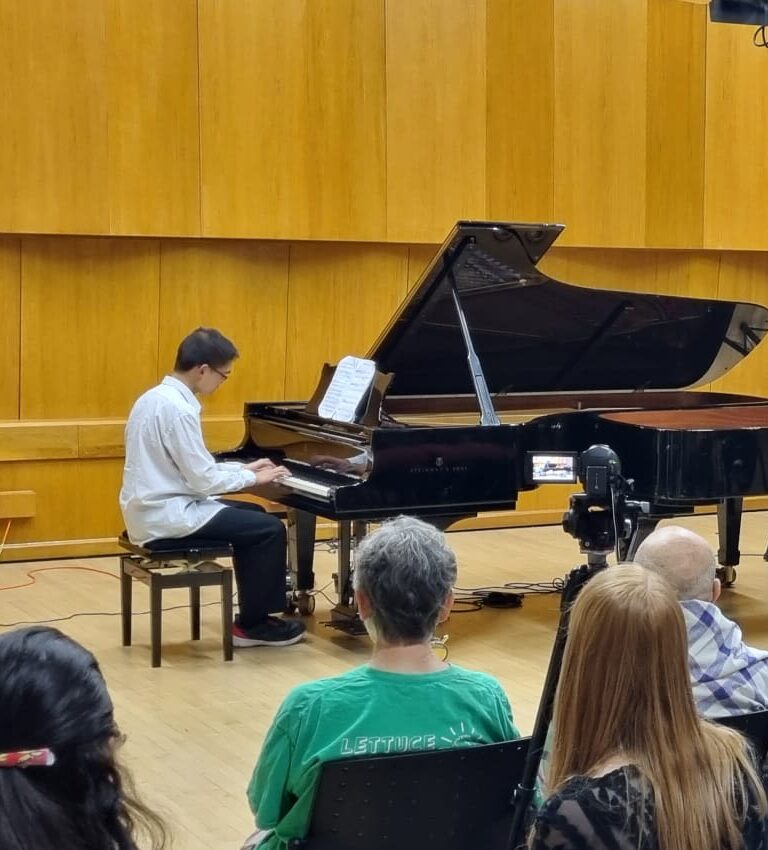
Concerts
Throughout the year, program participants have the opportunity to perform for supportive audiences of family, friends, and Hassadna community. Performing gives a sense of confidence and accomplishment.
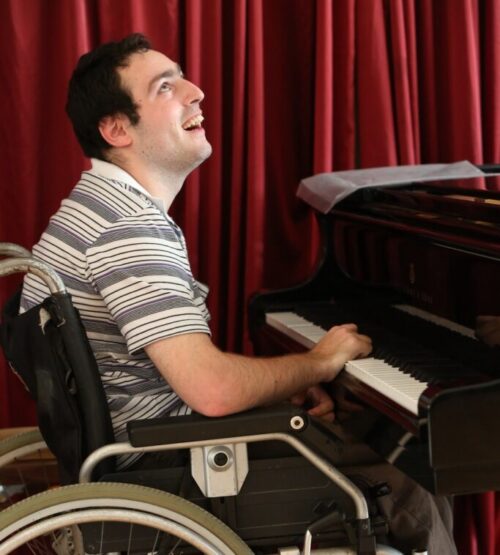
Student Journeys
Malak
Malak Abu-Dalo has been studying piano at Hassadna since she was 13 years old. Born blind and with cerebral palsy, Malak is very musical. After two years of focused piano playing with just one finger, in her third year of musical studies at Hassadna she was able to play with two fingers on her right hand and one on her left. This physical breakthrough was nothing short of incredible.
Since, Malak has continued to develop her abilities together with her beloved Hassadna teacher, Deborah Schremm, who never stops encouraging and believing in Malak.
Watch two touching performances by Malak’s ensembles across the years 🙂
Lina
Lina Al-Shwiki began her musical journey with us when she was 12 years old. A full-time resident of the Alyn Hospital in Jerusalem, Lina has Piriformis syndrome, which affects her nerves and muscles, creates severe physical disabilities. She has control over only a few fingers in both hands, and she must always travel with medical personnel.
Despite the many challenges in providing Lina with a music education, it is clear how much joy it brings her. Especially the opportunity to rehearse and perform in a chamber ensemble of conservatory peers.
Watch two touching performances by Lina’s ensembles across the years 🙂
Neta
Neta Pel has Downs Syndrome, and her favorite thing to do is to play the piano! Neta has a very special connection with her piano teacher Osnat Shvager.
Together, they continue to overcome obstacles and challenges. Osnat’s energy encourages Neta to express herself in new ways. After two years of being non-verbal, Neta has amazingly begun to sing to herself while she plays piano! Playing music really brings out the best in Neta, and seeing her on stage in her element is very powerful.
Watch a delightful ensemble by Neta with her teacher Osnat and friends 🙂
Voices from the Program
A Mom’s Perspective
Dina, mother of Yotam, a Hassadna graduate:
“When you have a child with special needs at home, everyday life is never like anyone else’s. There’s a tendency for everything to become ‘special.’ But here at the conservatory, my child experiences a healthy sense of normality—a life of equality among peers. When he improvises, a burst of life emerges from him… he expresses everything deeply from the heart, without any reservations. He is always limited by frameworks, always confined to a wheelchair. But then, for a single moment, he has the opportunity to breathe, to improvise! He has a piano teacher, he has music lessons at the conservatory—he is just like all the other students his age. Watching Yotam play the piano is truly like a dream. A dream I never dared to imagine.”
A Teacher’s Perspective
Deborah Schramm, piano teacher:
“When I work with ‘typical’ children, I more or less know the musical development process they are likely to go through with me. But with children with special needs, the whole picture is completely different. A child may be blind, so I can teach them only by developing their hearing and hand coordination. A student might be able to read music easily but be so emotionally blocked that they resist learning entirely. Or a student may be the sweetest kid in the world, happily participating in my lessons, yet finding a single note on the piano feels like climbing Mount Everest for them.
How do I approach the challenges these students present? The learning process here is uniquely fascinating and moving. My ‘arsenal’ in this process is the joy I feel in exploring new ideas and developing creative solutions. With my help, these wonderful children gain a musical lifestyle that would otherwise be inaccessible to them. Music illuminates their lives because it touches so many deep aspects of the human experience. I work with the students as they are, without trying to fit them into other frameworks or make them into what society wants them to be. I help them believe that they are perfectly fine just as they are. I try to bring them happiness and share with them my love of music.”
Support the Program
Music: A Gift for Life
The cost of supporting a scholarship for a child in Hassadna’s special program for children with special needs is $5500 per school year. We make a tremendous effort to support these wonderful families, who face daily challenges, and to give their children one of life’s greatest gifts: music.
Thanks to the program, the children don’t just learn to play an instrument—they gain self-expression, confidence, a sense of belonging, and joy. Every donation helps another child enter the special world of music, where they belong, grow, and thrive.